


Is that high-back executive chair actually a liability for your organisation's long-term productivity? While a plush leather seat might look the part in a boardroom, it often fails the four-hour test in a humid Australian summer, leading to employee complaints about heat and discomfort. We understand that choosing the right fit for a government department or a busy clinic isn't just about aesthetics; it's a calculated decision involving lifecycle costs and occupational health compliance. This mesh vs leather office chair comparison breaks down the technical specifications you need to consider before signing off on your next bulk furniture order.
We've combined our decades of industry expertise to evaluate how these materials perform under the latest BIFMA G1-2024+ ergonomic standards and OSHA 2026 guidelines. You'll learn which material offers the best resistance to premature wear in high-traffic areas and how to align your selection with national ergonomic requirements. From cleaning protocols in healthcare settings to the cooling benefits of mesh in regional warehouses, we'll provide the clarity needed to ensure your procurement strategy delivers both comfort and a genuine return on investment.
Key Takeaways
- Understand how thermal regulation impacts employee productivity and why mesh is the preferred choice for maintaining comfort in regional Australian climates.
- Use this mesh vs leather office chair comparison to identify which material offers the best lifecycle value for your specific facility, from high-traffic schools to executive boardrooms.
- Learn to spot the signs of material fatigue, such as mesh sagging or leather cracking, to minimise replacement costs and maximise your furniture ROI.
- Align your procurement process with the latest BIFMA and OSHA ergonomic standards to ensure workplace safety and reduce long-term musculoskeletal complaints.
- Discover why a hybrid seating solution often provides the most effective compromise between professional presentation and practical, everyday performance.
Understanding the Core Differences: Mesh vs Leather Office Chairs
Selecting furniture for a high-volume commercial fit-out requires an understanding of material science. A mesh vs leather office chair comparison reveals that these two options serve distinct functional purposes beyond simple aesthetics. While leather relies on a layered approach of high-density foam and upholstery, mesh utilises tensioned membranes to provide support. These engineering choices directly influence how well a chair adheres to modern ergonomic design principles, specifically the updated BIFMA G1-2024+ standards that prioritise dynamic lumbar support and 4D adjustability.
To help visualise these technical differences, watch this helpful comparison video:
The mechanics of mesh seating
Modern mesh chairs use woven synthetic fibres, often categorised as reinforced elastomeric mesh, stretched across a rigid nylon or metal frame. This creates a suspension system that distributes body weight evenly across the entire contact surface. Unlike traditional padding, mesh supports the natural curvature of the spine without the heat-retaining compression of foam. This tensioned design is particularly effective in preventing the "slouching" effect often seen as foam begins to fatigue after years of heavy use in busy call centres or government offices. It's a technical solution for long-term structural integrity.
The engineering of leather and PU seating
Leather and PU (polyurethane) chairs are constructed around a structural core of high-density foam. For professional procurement, we focus on the difference between genuine top-grain leather, which offers natural durability, and commercial-grade PU, which provides a non-porous surface suitable for clinical environments. These materials interact differently with mechanical adjustments; for instance, the thickness of the padding can change how a user feels the engagement of a lumbar support system. High-quality foam is essential here to ensure the chair maintains its shape and support levels through a standard eight-hour shift without bottoming out.
Breathability and Comfort: The Australian Climate Factor
Employee productivity often fluctuates with the office thermostat. In a mesh vs leather office chair comparison, thermal regulation is the most immediate factor affecting daily comfort. Traditional padded chairs act as thermal insulators, trapping body heat within the foam and upholstery. This "heat trap" effect can lead to increased perspiration and physical lethargy during an eight-hour shift. For facilities without constant climate control, such as regional schools or warehouse offices, mesh provides a significant advantage by allowing continuous air circulation across the user's back.
Thermal Regulation in the Australian Workplace
In non-air-conditioned environments, mesh is the standard for maintaining workplace hygiene and focus. It prevents the build-up of humidity that typically occurs with leather or synthetic PU seating. We've observed that in highly air-conditioned corporate centres, leather remains a viable choice. The material provides a layer of insulation that some users find more comfortable in offices kept at lower temperatures. If your procurement goal is to minimise heat-related fatigue across a diverse national workforce, you might consider browsing our range of ergonomic office chairs designed for high-airflow environments.
Pressure Distribution and Ergonomic Support
Comfort is often subjective, but support is measurable. While leather offers a "soft" initial feel due to thick padding, mesh provides a "firm" reactive support that conforms to the user's specific shape. This distribution of weight helps prevent pressure points on the thighs and lower back. When evaluating ergonomic chair features, it's vital to look at how the material maintains its tension over time. Breathability in commercial upholstery standards is defined as the material's specific capacity to facilitate moisture vapour transfer and airflow between the user and the chair's internal structure. Executive suites often prioritise leather for its aesthetic authority, but for long-term operational focus, the responsive nature of mesh often wins the ergonomic debate.
Durability, Maintenance, and Long-Term Value for Procurement
Procurement officers often weigh upfront costs against long-term maintenance. A detailed mesh vs leather office chair comparison must account for the Total Cost of Ownership (TCO) across a five to ten-year lifecycle. While mesh may appear fragile, high-quality elastomeric variants are engineered to resist sagging for years. Conversely, genuine leather requires consistent conditioning to prevent cracking; especially in sun-drenched Australian offices where high-UV exposure accelerates material fatigue. Leather shouldn't require a more complex skincare routine than your own just to avoid an early retirement.
Cleaning and Hygiene Protocols
Mesh presents a specific maintenance challenge because the weave acts as a filter for dust and airborne debris. Regular maintenance involves vacuuming with a soft brush attachment or using compressed air to clear the membrane. For shared spaces or healthcare clinics, non-porous PU (polyurethane) leather is often superior. It withstands medical-grade disinfectants better than natural hides or porous fabrics. If you are managing a large facility, keeping a stock of specialised cleaning and hygiene supplies is essential for maintaining your furniture fleet in professional condition.
Wear and Tear: What to Expect After 5 Years
After five years of standard use, the differences in structural integrity become stark. Tensioned mesh maintains its reactive shape, whereas low-density foam in some leather chairs begins to compress, leading to "bottoming out" where the user feels the internal frame. However, top-grain leather develops a durable patina and can last over a decade if maintained properly. In contrast, cheap bonded leather usually begins to peel within 24 months of heavy use. For a deeper look at material lifecycles and selection criteria, consult The Professional Buying Guide to Ergonomic Office Chairs in Australia (2026).
We recommend evaluating the specific environmental stressors of your site. A warehouse manager might prioritise the dust-resistance of a wipeable surface, while a school administrator may value the tear-resistance of reinforced mesh. Balancing these factors ensures you select a solution that doesn't require replacement every two budget cycles.
Choosing the Right Material for Your Specific Workplace Environment
Effective procurement requires matching material properties to the physical demands of the workspace. A warehouse manager overseeing a fast-moving distribution centre prioritises wipeable surfaces to manage dust, making commercial-grade PU leather a practical choice. In contrast, a school administrator might prefer the tensioned support of mesh to manage the thermal discomfort of a crowded staff room. This mesh vs leather office chair comparison highlights that the "best" chair depends entirely on the floor plan and ventilation of the specific site. It's about fitness for purpose, not just the price tag.
Education and healthcare environments
In school staff rooms and healthcare facilities, the focus shifts to hygiene and high-traffic durability. While mesh offers superior airflow, certain non-porous leathers are often preferred in clinics because they don't trap allergens and are easier to sanitise with medical-grade cleaners. For schools, we recommend looking at our broader range of educational supplies to ensure all furniture meets the rigorous demands of the classroom environment. Selecting a material that withstands constant use by different staff members is crucial for maximising your budget's lifecycle.
Government and corporate procurement
Standardising national departments often involves a detailed mesh vs leather office chair comparison to ensure the selected model suits a wide range of climates from Darwin to Hobart. Mesh chairs are frequently the default for back-office workstations due to their versatility across different body types. Boardrooms and legal offices, however, often retain executive leather for its authoritative aesthetic and long-standing association with leadership. We support these large-scale requirements through our Australian Government official purchase orders accepted policy, ensuring a streamlined ordering process for department heads.
Workplace Health and Safety (WHS) compliance is the final filter. Selecting a material that reduces physical fatigue and heat stress is a proactive step in managing musculoskeletal risks. Whether you're outfitting a regional clinic or a metropolitan high-rise, the material must support the specific task at hand to ensure long-term employee wellbeing.
View our full range of commercial-grade office chairs

Final Verdict: Balancing Ergonomics and Professional Image
In the final analysis of our mesh vs leather office chair comparison, the decision hinges on the specific environmental stressors of your workplace. Mesh is the logical choice for high-airflow requirements and task-heavy workstations where thermal regulation is vital. Leather remains the standard for executive presence and climate-controlled boardrooms. However, we often find that a hybrid model featuring a breathable mesh backrest with a contoured, upholstered fabric seat offers the most practical compromise for national departments. It provides the thermal benefits of mesh without sacrificing the cushioned feel that many employees still prefer.
The buying checklist for 2026
When finalising your selection from our office chairs collection, ensure every model meets the following criteria for long-term reliability:
- Verify AFRDI Level 6 certification for severe commercial use.
- Confirm weight ratings meet your specific staff requirements, typically seeking a minimum of 135kg or 150kg for durability.
- Check that warranties explicitly cover commercial environments; domestic-only warranties often exclude high-volume use.
- Ensure the chair features 4D armrests and dynamic lumbar support to comply with the latest BIFMA G1-2024+ guidelines.
Streamlining your procurement process
Selecting the right furniture is only half the battle. Efficient logistics and administrative ease are equally vital for procurement officers. We leverage our combined decades of industry experience to help you navigate large-scale fit-outs with minimal friction. For organisations looking to manage recurring orders or bulk purchases, you can apply for a business account to simplify your internal accounting and access competitive commercial rates. Our team is available weekdays from 8 am to 6 pm AEST to assist with technical specifications or national delivery timelines.
Ready to upgrade your facility's seating? Contact our team today for a tailored furniture quote that balances ergonomic performance with your operational budget.
Securing your long-term office furniture investment
As a family-owned Australian business since 2005, we provide the reliability of a large-scale operation with the direct assistance of a local partner. Our team's decades of combined industry expertise ensures that your procurement adheres to safety standards while respecting budget cycles. We've streamlined our systems to ensure official government purchase orders are accepted without friction, supporting national delivery to every corner of the country.
View our complete range of Ergonomic Office Chairs
We're here to help you build a workplace that is both productive and compliant. Reach out to our specialists today to finalise your seating solution with confidence.
Frequently Asked Questions
Is a mesh chair better for back pain than a leather chair?
The material itself doesn't determine back pain relief as much as the quality of the lumbar support system and the chair's overall adjustability. High-quality mesh provides responsive tension that follows your movements, while leather offers deep padding that some users find more stable. Any mesh vs leather office chair comparison regarding pain should focus on whether the model complies with BIFMA G1-2024+ standards for dynamic support.
Do mesh office chairs sag over time?
High-quality elastomeric mesh is engineered to retain its tension for years without sagging. While cheaper, single-layer mesh may stretch under heavy use, professional-grade membranes are designed for commercial longevity. We recommend checking for AFRDI certification to ensure the material has been tested for long-term structural integrity in busy Australian workplaces.
How do I clean a mesh chair without a vacuum?
You can clear debris from a mesh membrane using compressed air or a soft-bristled upholstery brush to flick away dust. If there are spills, a damp microfibre cloth with a mild detergent is usually enough to lift the stain. This is a common maintenance concern because the weave can trap dust that a wipeable leather surface wouldn't naturally collect.
Is PU leather as durable as genuine leather for office use?
Genuine top-grain leather is significantly more durable than PU (polyurethane) over a ten-year period. However, commercial-grade PU is often preferred in healthcare settings because it's non-porous and withstands medical-grade disinfectants. Avoid bonded leather; it's a composite material that typically begins to peel and crack within 24 months of standard office use.
Can I use leather office chairs in a non-air-conditioned warehouse?
We don't recommend using leather in spaces without climate control due to the lack of thermal regulation. In a warehouse environment, leather traps body heat and leads to perspiration, which can damage the material and cause physical lethargy. Mesh is the standard for these settings because it allows for constant airflow during humid Australian summers.
What is the average lifespan of a commercial-grade office chair in Australia?
A commercial-grade office chair typically has a lifespan of 7 to 10 years in a standard 40-hour work week. This duration varies based on the quality of the internal foam padding or the tension of the mesh membrane. Regularly checking mechanical components and following material-specific cleaning protocols will help you maximise your furniture ROI.
Are mesh chairs suitable for heavy-duty 24/7 use?
Mesh chairs are suitable for 24/7 environments if they are specifically rated for heavy-duty use and constant shifts. Look for reinforced frames and weight ratings of 135kg or 150kg to ensure the chair can handle the physical demands of control centres or emergency services. These models provide the necessary durability while keeping staff cool during long shifts.
How do I choose between a mesh and leather chair for a home office?
Base your decision on your home's climate and the typical duration of your work sessions. If your home office is a small room with limited ventilation, mesh will keep you cooler and more focused during an eight-hour shift. Leather is a better choice if you prefer a formal executive aesthetic and have a reliable air-conditioning system to manage the temperature.
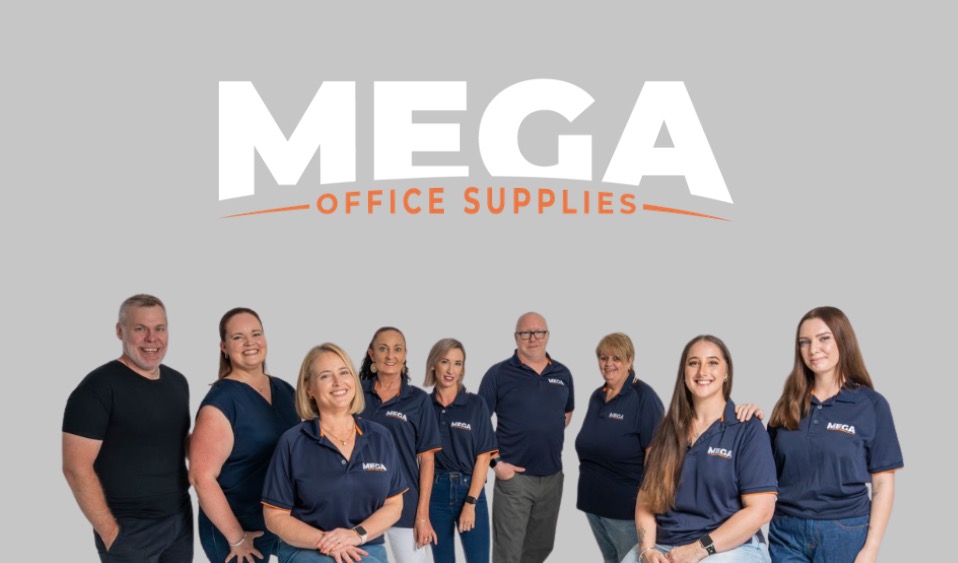
Article by
Mega Office Supplies Team
The Mega Office Supplies Team provides practical buying guides and workplace advice for Australian businesses, schools, government organisations, healthcare providers, hospitality venues, warehouses and home offices. Family-owned and operated since 2009 and based in Tweed Heads South on the Gold Coast–Tweed border, Mega Office Supplies brings more than 150 years of combined team experience to helping Australian workplaces choose the right office supplies, furniture, technology, cleaning, safety and education products — backed by genuine local service from real people.
General Information
This article is provided as general information only to help customers compare and choose office, workplace, school, cleaning, technology, furniture, safety and business supplies. Product details, specifications, compatibility, availability, pricing and suitability may vary. Always check the individual product page, manufacturer information, workplace requirements and relevant safety guidance before purchasing or using a product.


