


Buying the most expensive ergonomic chair on the market won't protect your health if the seat height is mismatched to your desk surface. Many professionals working at high benches or standing desks mistakenly believe they can simply make do with a standard seat, only to end up with nagging lower back pain and restless, dangling legs. We understand the frustration of trying to find that perfect balance between comfort and the practical requirements of a specialised workspace.
Choosing between a drafting chair vs standard office chair is not just about how high the seat can go; it is about ensuring your body has the correct structural support for the task at hand. In this guide, we will help you identify the critical differences in height ranges, the essential role of the foot ring, and the functional benefits of each model. You will learn how to select a durable, Australian-standard solution that provides long-term comfort and justifies the investment for your specific office, school, or warehouse environment.
Key Takeaways
- Identify the correct seat height range for your workspace, noting that drafting chairs reach up to 900mm while standard models are built for traditional 730mm desks.
- Understand the primary functional differences when comparing a drafting chair vs standard office chair to ensure ergonomic alignment at high benches or standing desks.
- Recognise when to deploy specialised seating in environments such as laboratories, medical clinics, or retail counters where standard chairs fail to provide adequate height.
- Customise your support by prioritising independent seat and back tilt alongside a sturdy foot ring to eliminate leg fatigue and lower back strain.
- Select professional-grade materials like breathable mesh for airflow or clinical-grade vinyl for easy sanitisation in high-traffic Australian workplaces.
Understanding the key differences between drafting and standard office chairs
The anatomy of a drafting chair
Because the seat is raised so high, the user's feet cannot reach the ground. This makes the chrome or nylon foot ring essential. It acts as a secondary floor, providing a stable platform to rest your feet and prevent leg fatigue. These models rely on an extended gas lift cylinder to achieve their height. Many high-quality drafting chairs are actually specialised ergonomic office chairs that have been modified with these industrial-grade components to ensure stability and safety at peak elevation.
Standard office chair features
Standard chairs are built for a different ergonomic goal: maintaining 90-degree angles at the knees, hips, and elbows while the feet remain flat on the floor. These models prioritise features like seat pan depth and adjustable armrests to suit a fixed desk height. While they offer superior mobility on a 5-star castor base, they lack the vertical range required for high-bench tasks. When weighing up a drafting chair vs standard office chair for a standing desk, the standard model often falls short because it cannot reach the "perch" height needed for varied working positions.
We've found that stability is often more critical than mobility for high-height applications. While standard chairs glide across the floor with ease, drafting chairs are often fitted with glides rather than castors to prevent the chair from rolling away while the user is perched at height. It's a small detail that makes a significant difference in workplace safety and user confidence.
When to choose a drafting chair over a standard model
Deciding between a drafting chair vs standard office chair often comes down to the physical layout of your environment. High-bench settings, such as pathology labs, hospital kiosks, or retail service counters, demand the extra lift. In these spaces, a standard chair would leave the user reaching upward, causing immediate shoulder strain. Trying to use a standard chair at a high laboratory bench is a recipe for a very expensive physiotherapy bill.
The shift toward the modern standing desk has created a new use case for drafting chairs. Instead of constantly raising and lowering the desk, many users prefer to keep the surface at standing height and use a drafting chair for "perching." This active sitting position keeps the core engaged while providing a necessary break for the legs. It's a practical solution for those who want the health benefits of standing without the fatigue of an eight-hour shift on their feet.
Work surface height as the deciding factor
A simple rule of thumb applies here. If your work surface is above 900mm, a standard chair is ergonomically impossible to use safely. We recommend measuring from the floor to the underside of the desk before committing to a purchase. Drafting chairs allow for a forward-leaning posture that is essential for detailed design work, which a bulky executive chair simply cannot facilitate. This makes them the primary choice for architects and engineers who need to lean over large-format plans.
Task duration and mobility needs
Consider how often you need to transition from sitting to standing. Drafting chairs are generally easier to exit from a high surface because the user's hips are already in a more open position. In high-traffic healthcare or laboratory environments, we often suggest replacing standard castors with glides. This ensures the chair remains stationary while you are perching, providing a secure anchor for precision tasks. You can view our range of drafting stools and chairs to see which base suits your specific floor type.
Ergonomic features to compare before you buy
When evaluating the technical specifications of a drafting chair vs standard office chair, the mechanical adjustability is where you find the true value. Look specifically for independent seat and back tilt. This feature allows you to angle the seat pan slightly forward, which is essential for maintaining a healthy spinal curve while perching at a high desk. Without this adjustment, users often tend to hunch forward to reach their work, leading to long-term upper back strain.
The weight capacity and gas lift rating deserve close attention. Because drafting chairs operate at the upper limit of their extension, the lift mechanism is under more structural stress than a standard model. A high-quality, commercial-grade gas lift ensures the chair won't slowly sink during the day. Additionally, the foot ring should never be a fixed-height afterthought. Ensure it is height-adjustable so users of different leg lengths can find a comfortable position that prevents the "pins and needles" sensation caused by restricted circulation.
Quality indicators for Australian workplaces
We always recommend looking for AFRDI-rated components. This certification ensures the chair has passed rigorous testing for durability, safety, and ergonomic function in a commercial environment. Brands like Rapidline are consistent performers in this category, offering the reliability needed for high-use government and education spaces where furniture must survive years of constant use.
Procurement tips for bulk orders
Before finalising your office furniture order, audit your floor plan to distinguish between high-bench stations and standard desks. Mixing these models effectively can significantly reduce the risk of workplace strain across your team. To simplify the process for the public sector, we accept official Australian Government purchase orders and offer business accounts for streamlined procurement. Our team is available weekdays from 8–6 AEST to help you specify the right components for your workplace fit-out.

Selecting the right seat for your workspace productivity
Selecting the correct ergonomic solution ensures your team remains productive and pain-free, regardless of their desk height. Choosing a drafting chair vs standard office chair ultimately rests on the physical dimensions of your specific workspace and the nature of the tasks performed. A foot ring is a structural necessity for safety at height; standard chairs provide the stability and tilt mechanisms required for traditional desk configurations. We recommend measuring your bench height carefully before finalising any furniture procurement.
We ensure you receive hardware that meets strict Australian durability standards for specialised environments. Equipping a school lab or a corporate office requires specific hardware, and we provide bulk pricing for corporate and government accounts to simplify the procurement process. We understand the logistical demands of a well-organised operation and provide the regional expertise needed to secure your workplace maintenance goals.
Browse our full range of professional office and drafting chairs
We are here to help you create a workspace that supports long-term health and efficiency.
Frequently Asked Questions
Can I turn my standard office chair into a drafting chair?
Standard office chairs cannot be converted into drafting chairs simply by adding a foot ring or a taller gas lift. Most standard models lack the structural base stability required for peak elevation; modifying them can compromise safety and void your warranty. It's more efficient to procure a dedicated drafting model designed for high-bench stability from the ground up.
Are drafting chairs bad for your back during long shifts?
Drafting chairs are not inherently bad for your back; they are essential for spinal health when working at elevated surfaces. When comparing a drafting chair vs standard office chair, the drafting model prevents the hunching that occurs when a seat is too low for the bench. Ensure your chosen model features independent back tilt and lumbar support to maintain the natural curve of your spine.
What is the ideal height for a drafting chair foot ring?
The ideal height for a foot ring is one that allows your thighs to remain parallel to the floor with your knees bent at a 90-degree angle. This position mimics the ergonomic alignment of a standard chair on a flat floor. Because leg lengths vary, we recommend height-adjustable foot rings over fixed models to ensure every user can find a supportive secondary floor for their feet.
Do drafting chairs come with armrests?
Many drafting chairs are available with adjustable armrests, though they are frequently omitted in specific industrial or clinical settings. In retail or laboratory environments, armless designs are often preferred to allow the user to sit closer to the bench without the armrests hitting the edge of the work surface. We stock both configurations to suit different operational requirements across Australian workplaces.
Article by
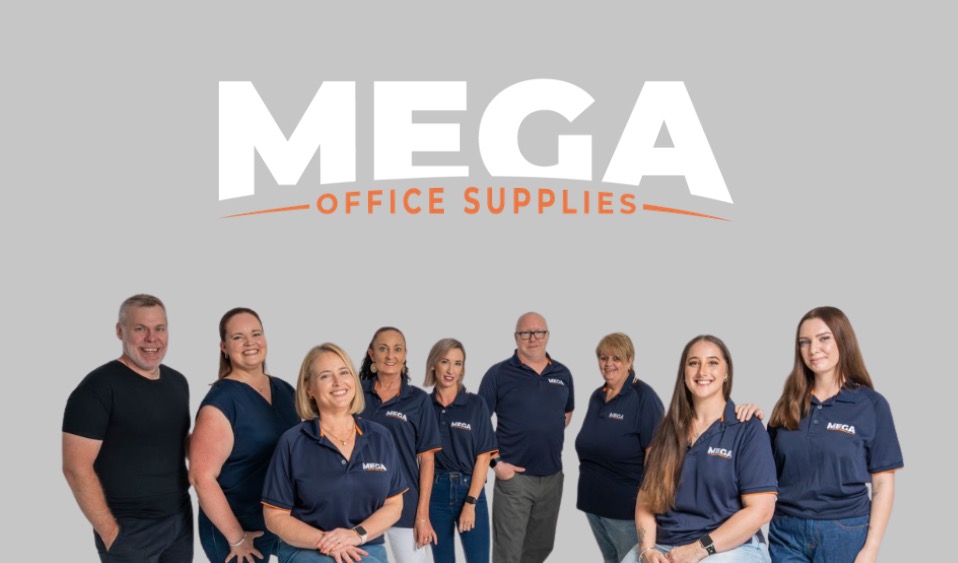
Mega Office Supplies Team
The Mega Office Supplies Team provides practical buying guides and workplace advice for Australian businesses, schools, government organisations, healthcare providers, hospitality venues, warehouses and home offices. Family owned and operated since 2008 and based in Tweed Heads South on the Gold Coast–Tweed border, Mega Office Supplies helps Australian workplaces choose the right office supplies, furniture, technology, cleaning, safety and education products — backed by genuine local service from real people.
General Information
This article is provided as general information only to help customers compare and choose office, workplace, school, cleaning, technology, furniture, safety and business supplies. Product details, specifications, compatibility, availability, pricing and suitability may vary. Always check the individual product page, manufacturer information, workplace requirements and relevant safety guidance before purchasing or using a product.


